Clothing Manufacturing in Turkey: A Smart Nearshoring Strategy
If you’re building a fashion brand today, you’ve probably realized one thing very quickly: production decisions can make or break your business, especially when it comes to sourcing and manufacturing.
Long lead times, high minimums, quality issues, constant back and forth. These are not small operational challenges. They directly impact your timelines, your margins and most importantly, your cash flow.
From my experience in buying, this is often where things start to go wrong. That’s exactly why more and more brands are rethinking their sourcing strategy and moving closer to home.
And one country keeps coming up again and again: Turkey.
What Nearshoring Means for Fashion Brands Today
Nearshoring is not just about producing closer to your market.
It means:
shorter lead times
faster decision making
more control over production
less capital tied up in stock
For European brands, Turkey is one of the strongest options to make this work.
1. Fast Lead Times: A Key Advantage of Manufacturing in Turkey
Late deliveries are not just inconvenient. They can seriously impact your business.
missed selling windows
delayed cash inflow
blocked liquidity
unsold seasonal products
Especially for growing brands, this creates real pressure. Turkey offers significantly faster timelines compared to long distance sourcing:
sampling often within 7 to 10 days
production around 30 to 45 days
delivery to Europe within days instead of weeks
This allows you to:
react faster to demand
restock bestsellers quickly
work in smaller drops
reduce overall risk
2. Landed Cost vs Unit Price: What Brands Often Miss
One of the most common sourcing mistakes is focusing only on the unit price. At first glance, another country might seem cheaper. You might hear something like: “We can produce this for 2–3 dollars less per piece.” But very often, this is not a like for like comparison.
In one conversation I had with a brand, they shared a price that looked significantly lower. When we looked closer, it turned out the price was not even based on the same terms.
This is something to always be careful with: make sure you are comparing FOB with FOB. Terms like FOB, FCA or EXW define who is responsible for transport, export handling and delivery to port. If these are not aligned, you are not comparing the same thing.
A lower price can often mean that parts of the process are simply not included yet. This can lead to additional costs, more coordination on your side and a higher risk of delays once production is finished.
That is why it is so important to look at the landed cost, not just the unit price. Landed cost includes:
production price
logistics and shipping
duties and handling
time and operational effort
Even if Turkey’s FOB price might be higher, its logistical advantage often closes the gap significantly on total cost. Compared to countries like Pakistan or India, shipping takes longer, sampling is more expensive and the overall process is more complex to manage.
And beyond cost, there is one factor that matters even more: lost time means lost revenue.
If goods arrive too late, if you miss a selling window or if you spend too much time managing logistics issues, the impact on your business can be much greater than a few dollars saved per piece. That is why strong sourcing decisions are never based on unit price alone, but on the full picture.
3. Competitive Pricing Compared to Europe
Turkey offers a strong balance between cost and quality.
Compared to EU production, it is often:
around 20 to 30 percent more cost efficient
while maintaining comparable quality standards
This makes it especially relevant for:
contemporary brands
premium casualwear
mid market positioning
4. Strong Product Categories and Technical Know How
Turkey is not just a convenient location. It is a highly capable production hub with deep textile expertise.
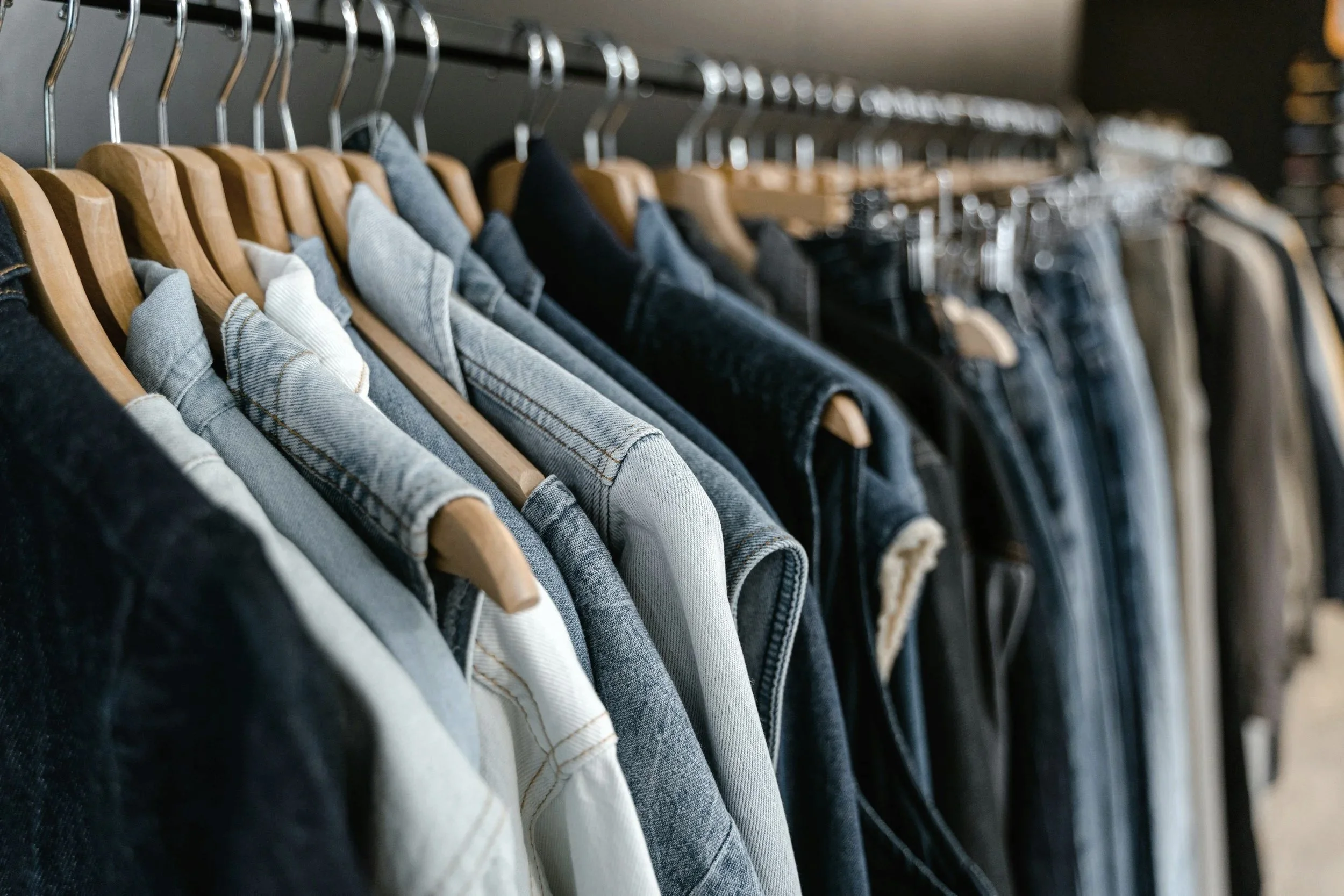
Denim and woven apparel
jeans, jackets, shirts, trousers
advanced laundries, laser and low water washing techniques
Knitwear and jersey
t shirts, hoodies, sweatshirts
high quality jersey, fleece, rib and interlock fabrics
Fashion and contemporary collections
womenswear and menswear
design driven collections with strong execution
Outerwear and accessories
lightweight jackets, bags, belts, scarves, headwear
strong development capabilities across categories
Casual and lifestyle performance
sweats, leggings, everyday activewear
ideal for fashion driven or hybrid collections
There is a strong understanding of fabrics, washes, finishes and construction. This results in products that feel considered and well developed, not generic.
5. Flexible Production and Lower MOQs
Flexibility is one of the biggest advantages. Many Turkish manufacturers offer:
lower minimum order quantities
test production runs
gradual scaling options
Typical MOQs:
around 150 to 300 pieces per style
This allows brands to:
launch with lower risk
test before scaling
stay financially flexible
6. Easier Communication and Faster Decisions
Production is not only about manufacturing. It is about communication. Working with Turkey means:
similar time zones
faster response times
clearer communication
quicker problem solving
This leads to:
smoother development
fewer errors
faster alignment
7. Proximity Means More Control
Being closer to your production gives you better visibility.
factory visits are realistic
quality checks are easier
relationships become stronger
You are not just placing orders. You are actively involved in the process.
Final Thoughts
Nearshoring is not just a strategy. It is often the step that makes a brand more stable, more flexible and more confident in its decisions. Turkey offers that opportunity when it is approached in the right way.
At The Source Apparel, this is exactly where we come in. With a background in buying and product development and strong roots in Turkey, we support brands in navigating sourcing decisions with clarity and a realistic understanding of what works. We speak Turkish, understand the production side deeply and, through our collaboration with TIHCAD – Textile Exporters and Employees Association, have access to a network of more than 100 manufacturers across Turkey.
This allows us to work closely with trusted partners on the ground, across different regions and product categories. But for us, it is not just about production. We see every project as a partnership, and many collaborations naturally grow into long term relationships built on trust.
If you want to explore what production in Turkey could look like for your brand, you can find more on our services page or simply reach out via our contact page or email us at info@thesourceapparel.com.
We would love to hear about your project. And if the conversation brings you to Istanbul, even better. Visiting manufacturers together and continuing over a tea by the Bosphorus is often where the best ideas start.
Choosing Turkey is one thing, finding the right factory is another. If you want to go one step further, I recommend reading my guide on how to find the right clothing manufacturer in Turkey.